
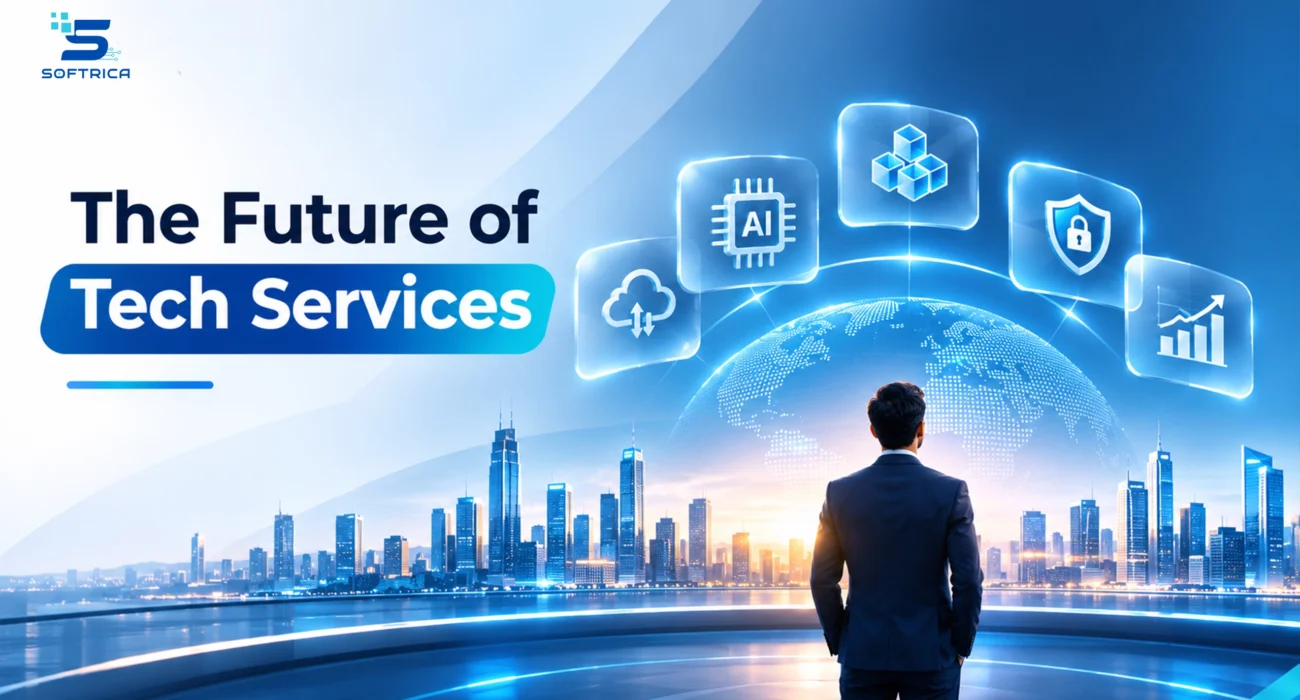
Technology is no longer just supporting business operations. It is changing how businesses operate, serve customers, make decisions, and compete in the market. From artificial intelligence to cloud computing, the future of tech services is creating opportunities for businesses to work smarter, respond faster, and grow more efficiently.
For business owners, the real question is no longer whether to adopt new technology, but how to choose the right solutions.
Why Traditional Technology Systems Are No Longer Enough
Many businesses still depend on disconnected software, manual processes, and outdated IT infrastructure. These systems may have worked in the past, but they often create operational delays, increase costs, and make business growth difficult.
For example, when sales, marketing, inventory and customer management systems operate separately, teams spend valuable time managing information instead of using it.
As customer expectations and competition increase, businesses need more connected, intelligent and scalable technology services.
Key Technology Trends Shaping the Future
Several developments are transforming the future of IT services and business technology.
- Artificial Intelligence and Automation
AI is moving beyond basic chatbots. Businesses can now use AI-powered systems to analyse information, automate repetitive tasks, support customer service, and improve decision-making.
- Cloud Computing and Scalable Infrastructure
Cloud technology allows businesses to access applications and information securely without depending entirely on traditional physical infrastructure. It also makes expansion and remote collaboration easier.
- Custom Software Development
Every business has different operational requirements. Custom software helps companies build solutions around their actual workflows rather than adjusting their processes to fit generic applications.
- Stronger Cybersecurity and Data Protection
As businesses become more digitally connected, protecting customer information and business data becomes increasingly important. Cybersecurity must be a core part of every digital transformation strategy.
- Connected Digital Ecosystems
The future belongs to integrated systems where websites, CRM platforms, marketing tools, payment solutions, and business applications communicate seamlessly.
How Businesses Can Prepare for the Future of Tech Services
Adopting every new technology is not the answer. Businesses need a practical approach.
Start by identifying operational challenges, reviewing existing software, and understanding where automation can save time. Invest in secure IT infrastructure, prioritise scalable software solutions, and choose technology that supports measurable business objectives.
Most importantly, work with a technology partner who understands both business operations and digital growth.
Build Your Business for Tomorrow with Softrica
The future of tech services is about creating smarter business systems, not simply adopting the latest tools.
At Softrica Innovation, we help businesses move forward through technology, branding, and digital transformation. From custom software development and website development to IT solutions, digital marketing, and business automation, we focus on building solutions that support real business growth.
Whether you are upgrading existing systems or planning your next digital transformation project, Softrica can help you take the right next step.
Let’s build a smarter, more connected business together. Connect with Softrica Innovation today.
FAQs
- What is the future of tech services?
The future of tech services involves AI, automation, cloud computing, cybersecurity, and integrated software solutions that help businesses operate more efficiently.
- How is AI changing business technology?
AI helps businesses automate repetitive tasks, analyse data, improve customer experiences and make faster decisions.
- Why is digital transformation important for businesses?
Digital transformation improves operational efficiency, reduces manual work, enhances customer experiences and helps businesses scale.
- How can small businesses prepare for future technology trends?
Small businesses can start by adopting cloud-based tools, automating repetitive processes, improving cybersecurity, and investing in scalable digital solutions.